March 23, 2026
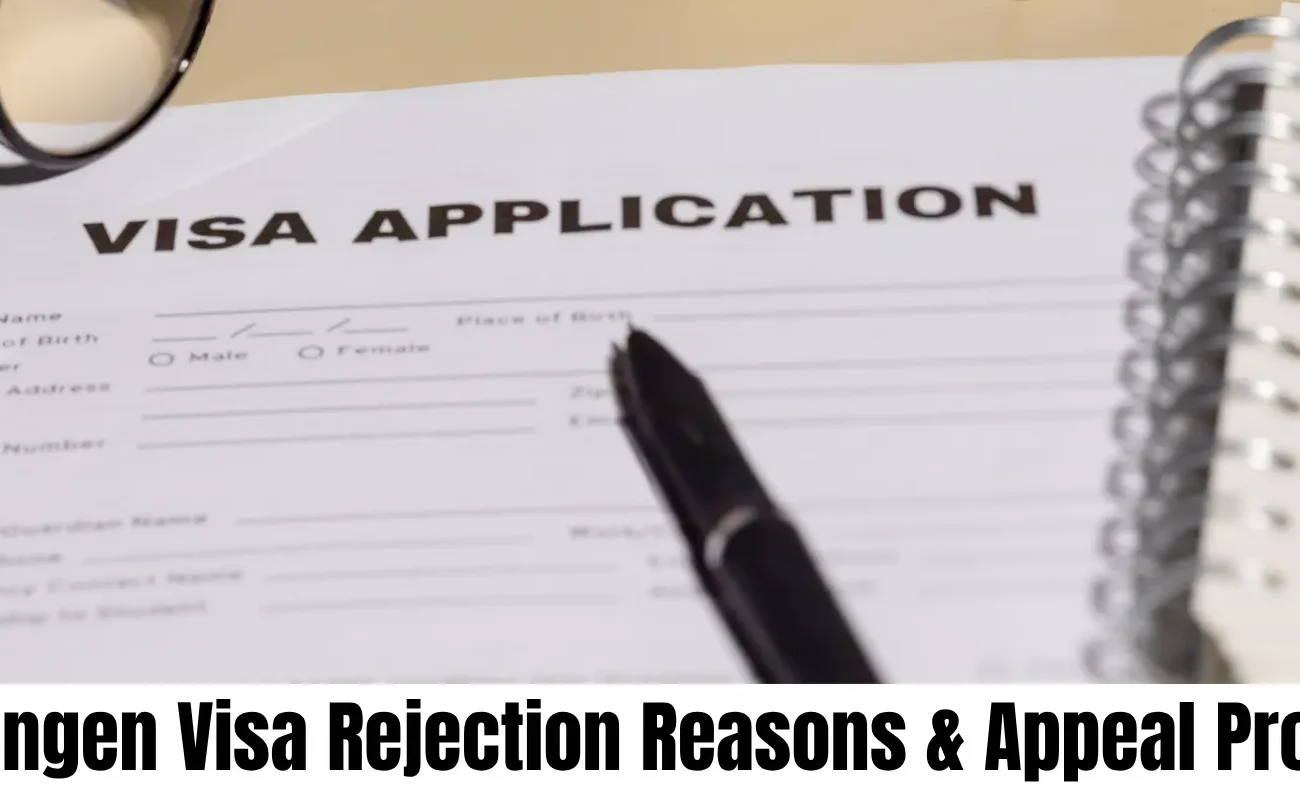
Schengen Visa Rejection Reasons & Appeal Process
Introduction – Reality of Schengen Visa Approvals Today
In today’s highly regulated immigration environment, obtaining a Schengen Visa—whether for study, visitor, work permit, family reunion, or business purposes—is no longer a simple documentation process. European embassies follow strict legal frameworks, background verification systems, and risk assessment models before granting any visa.
Over my 23 years of experience as an immigration professional, I, Er. Jatinder Pal Singh, have observed that most visa refusals do not occur because applicants are ineligible, but because their applications are poorly prepared, improperly presented, or submitted without proper legal understanding. This is why professional guidance has become essential, not only for filing applications but also for handling refusals and appeals strategically.
Understanding Schengen Visa Refusal – A Legal Impact
A Schengen Visa refusal is not just a temporary rejection; it is a legally recorded decision that becomes part of your immigration history. Once refused, your profile is stored in embassy systems and may be accessed during future applications. This means that every future visa application—whether for Europe or other countries—will be evaluated more strictly.
Many applicants fail to understand this long-term impact and either ignore the refusal reasons or reapply without correction, which further weakens their case. In reality, the refusal letter issued by the embassy is a legal document that must be properly interpreted before taking any next step.
Common Schengen Visa Rejection Reasons Across All Categories
Whether you are applying for a study visa, visitor visa, work permit, family reunion, or business visa, the core refusal reasons remain largely similar, though their interpretation may vary depending on the category. One of the most common reasons is the lack of a clearly justified purpose of travel. Embassies must be convinced that your intention is genuine and aligns with the visa category. A weak statement of purpose in study visas, unclear travel plans in visitor visas, or poorly defined objectives in business visas can immediately raise doubts.
Another major reason is insufficient or unclear financial proof. Applicants often believe that showing a high bank balance is enough, but embassies focus more on the consistency, source, and credibility of funds. Sudden deposits, irregular transactions, or unexplained income sources create suspicion and often lead to rejection. Additionally, doubts about the applicant’s intent to return to their home country play a critical role. If the embassy is not convinced about your ties—such as stable employment, family connections, or assets—it may consider you a potential immigration risk.
Incomplete documentation, profile mismatch (especially in study and work visa cases), and previous visa refusals further increase the chances of rejection. The most serious issue, however, is the submission of fake or misleading documents, which can result in long-term bans and make future applications extremely difficult.
Setback and Loss Faced by Applicants After Visa Refusal
A visa refusal brings not only emotional disappointment but also significant financial and professional losses. Applicants often lose visa fees, travel bookings, university deposits, or business opportunities. It also leads to loss of time, especially in cases of academic intakes or scheduled events.
More importantly, it creates a negative immigration history that affects future applications globally. In my experience, many applicants face repeated refusals simply because they did not take proper guidance at the initial stage.
Appeal Process – Legal Way to Challenge Visa Refusal
After a Schengen Visa refusal, applicants generally have two options: to file an appeal or to reapply. The appeal process is a legal mechanism where the applicant challenges the embassy’s decision by addressing each refusal reason with proper explanation and supporting evidence.
This process begins with a detailed analysis of the refusal letter, followed by drafting a legally structured appeal, attaching strong supporting documents, and submitting the appeal within the prescribed deadline, usually between 15 to 30 days depending on the country. In some cases, the matter may be reviewed further by administrative authorities or even courts.
Role of Immigration Lawyers Before Applying
The role of immigration lawyers and experienced consultants begins even before the application is submitted. A professional evaluation of the applicant’s profile helps in identifying potential risks and selecting the right visa category.
Lawyers ensure that documents are properly structured, financial proof is presented clearly, and all explanations—such as statements of purpose or invitation letters—are drafted in a manner that satisfies embassy requirements. This preventive approach significantly reduces the chances of refusal.
Role of Immigration Lawyers in Visa Appeal Process
After a refusal, the involvement of immigration lawyers becomes even more critical. They interpret the refusal letter from a legal perspective, which is often beyond the understanding of a normal applicant. They prepare strong appeal letters with structured arguments, address each refusal point clearly, and attach supporting documents that strengthen the case.
In complex situations, they may also represent the applicant in administrative or legal proceedings. This professional handling ensures that the appeal is not just a request but a legally supported challenge.
How SWICS Pvt. Ltd. & SWILS Strengthen Your Case
At SWICS Pvt. Ltd. and Straight Ways International Law Services (SWILS), we approach every visa application and refusal case as a legal matter rather than a routine process. With my 23 years of experience, we provide complete support including profile evaluation, documentation structuring, financial justification, SOP drafting, refusal analysis, legal appeal preparation, and reapplication strategy. Our focus is on presenting each case in a professional and legally compliant manner, ensuring that it meets embassy expectations.
Appeal vs Reapply – Strategic Decision Matters
One of the most critical decisions after a refusal is whether to appeal or to reapply. If the refusal is due to misunderstanding or weak documentation, an appeal may be the best option. However, if the applicant’s profile itself needs improvement, a carefully planned reapplication is more appropriate.
Reapplying without correcting previous mistakes often leads to repeated refusals and further damages the applicant’s credibility. This decision should always be taken with expert guidance.
Conclusion
A Schengen Visa refusal should not be considered the end of your journey, but rather a signal that your application requires correction and proper presentation. With the right legal understanding, structured documentation, and strategic approach, many refused cases can be successfully resolved. As I always advise, a visa application is not just a formality—it is a legal presentation of your profile to the embassy. If it is prepared correctly, your chances of approval increase significantly; if not, the consequences can impact your future for years.
For anyone planning to apply for a Schengen Visa or dealing with a refusal, it is essential to seek guidance from experienced professionals who understand both the procedural and legal aspects of immigration. With the combined expertise of SWICS Pvt. Ltd. and Straight Ways International Law Services (SWILS), your case can be handled with the precision, strength, and professionalism it truly requires.
FAQs – Schengen Visa Refusal & Appeal
Schengen Visa rejections usually occur due to unclear purpose of travel, weak financial proof, lack of return intent, incomplete documentation, or previous visa history issues. Many applicants believe that submitting documents is enough, but embassies assess the credibility and consistency of the entire profile. According to Er. Jatinder Pal Singh, most refusals happen because applicants fail to present their case properly. At SWICS Pvt. Ltd., we focus on structuring applications in a legally acceptable manner to reduce rejection risks.
Yes, a Schengen Visa refusal becomes part of your permanent immigration record and can affect future applications not only in Europe but also in countries like Canada, UK, and Australia. Embassies share data and assess past refusals seriously. Er. JP Singh emphasizes that repeated refusals without correction can significantly damage an applicant’s credibility. This is why SWICS and SWILS focus on proper refusal handling and legal strategy before any reapplication.
After a refusal, the first step is to carefully analyze the refusal letter instead of reapplying immediately. Many applicants make the mistake of submitting a new application without correcting previous issues, leading to repeated refusals. Er. JP Singh advises that applicants should either file a legal appeal or prepare a strong reapplication strategy based on professional guidance. At SWICS, we first conduct a detailed refusal analysis before suggesting the next step.
The appeal process is a legal procedure where the applicant challenges the refusal decision by addressing each rejection point with proper justification and evidence. It involves analyzing the refusal letter, drafting a strong appeal, attaching supporting documents, and submitting it within the deadline (usually 15–30 days). SWILS (Straight Ways International Law Services) specializes in preparing legally structured appeals that align with embassy expectations.
This depends on the nature of the refusal. If the refusal is due to misunderstanding or weak documentation, an appeal may be the best option. However, if the applicant’s profile needs improvement, reapplying with stronger documents is advisable. Er. JP Singh strongly warns that reapplying without correcting mistakes leads to repeated refusals. SWICS provides case-based strategy planning to choose the right approach.
Immigration lawyers play a preventive role by conducting profile evaluation, documentation structuring, financial verification, and SOP drafting. They identify potential risks and correct them before submission. According to Er. JP Singh’s 23 years of experience, proper preparation before applying can significantly reduce the chances of refusal. SWICS ensures that each application is treated as a professionally prepared legal file.
In appeal cases, immigration lawyers interpret the refusal letter legally, draft strong arguments, and present supporting evidence in a structured manner. They ensure that the appeal addresses each refusal point clearly and convincingly. At SWILS, appeals are handled with a legal approach rather than general documentation, increasing the chances of reconsideration.
Applicants must demonstrate sufficient funds to cover their stay, but more importantly, they must show consistent income, clear source of funds, and stable financial history. Sudden deposits or unexplained transactions often lead to rejection. SWICS specializes in financial file structuring, ensuring that bank statements and income proofs are presented professionally.
Embassies assess whether the applicant will return to their home country after the visit. Lack of strong ties such as stable employment, family responsibilities, or property ownership can raise concerns. This is one of the most common reasons for rejection. Er. JP Singh advises building a strong profile that clearly demonstrates ties to the home country.
Yes, you can reapply, but only after correcting the reasons for refusal. Reapplying with the same documents or without improvement can lead to another rejection. At SWICS Pvt. Ltd., we prepare a reapplication strategy based on previous refusal analysis, ensuring better chances of approval.
Key documents include financial proof, employment or business details, travel itinerary, invitation letter (if applicable), and supporting documents showing ties to the home country. However, the quality and presentation of these documents are more important than quantity. SWICS ensures all documents are consistent, verifiable, and properly structured.
Yes, submitting fake or misleading documents can result in long-term bans from Schengen countries and severely affect future visa applications worldwide. Er. JP Singh strongly warns applicants never to use fraudulent documents. At SWICS, we strictly follow legal and ethical practices.
The timeline varies depending on the country and complexity of the case. It may take a few weeks to several months for a decision. Properly prepared appeals with strong documentation tend to have better outcomes. SWILS ensures timely submission and proper follow-up.