March 6, 2026
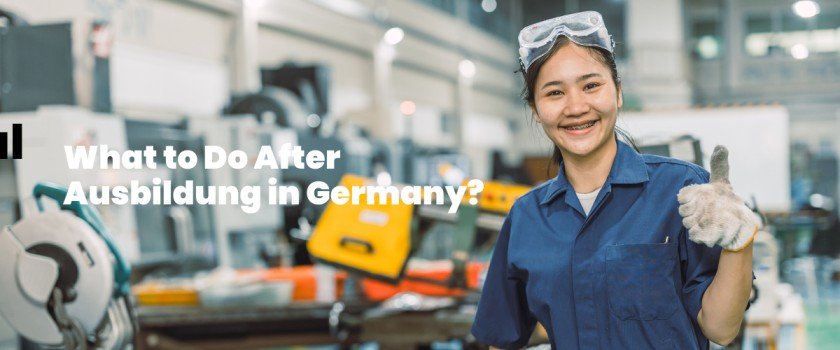
What to Do After Ausbildung in Germany? (Complete Guide 2026)
Germany has become one of the most popular destinations for international students who want to build a strong career in Europe. One of the most attractive programs offered by Germany is the Ausbildung program, which combines vocational training with practical work experience.
Every year, thousands of students from countries like India, Nepal, Pakistan, and other Asian nations choose this pathway because it provides hands-on training, monthly salary, and real job opportunities.
However, many students often ask an important question: What should you do after completing Ausbildung in Germany?
Once your Ausbildung program is completed, several career paths open up for you. You can start a full-time job, continue your education, apply for permanent residence, or even move toward advanced training programs.
In this complete guide, we will explore the best options available after completing Ausbildung in Germany and how you can build a successful future in the country.
Understanding the Ausbildung Program in Germany
The Ausbildung program is Germany’s vocational training system that allows students to gain practical industry experience while learning theoretical knowledge in a vocational school.
This program usually lasts between 2 to 3.5 years, depending on the profession. During the training period, students work in a company and attend vocational classes. One of the biggest advantages is that trainees receive a monthly stipend or salary during the training period.
Some of the most popular Ausbildung fields include:
- Nursing and Healthcare
- Hotel Management
- Information Technology
- Mechanical and Industrial Technician
- Automotive Technician
- Electrical Technician
- Retail Management
Because students gain real work experience during the training period, many companies prefer to hire their trainees after the program ends.
Option 1: Start a Full-Time Job in Germany
The most common option after completing Ausbildung is to continue working as a full-time employee.
In many cases, companies offer permanent job positions to trainees after they complete their program. Since the company has already invested time in training the student, they prefer to retain skilled workers.
Germany currently faces a shortage of skilled workers in many industries. Because of this, Ausbildung graduates often find good job opportunities.
The average salary after Ausbildung can vary depending on the profession. For example:
- Nursing professionals may earn around €2500 to €3500 per month
- IT specialists may earn €3000 to €4500 per month
- Mechanical technicians may earn €2800 to €4000 per month
Once you start working full-time, you can also extend your residence permit for employment, which allows you to stay and work legally in Germany.
Option 2: Apply for Permanent Residence in Germany
One of the biggest advantages of completing Ausbildung and working in Germany is the possibility of applying for Permanent Residence (PR) in the future.
Germany offers a long-term settlement option known as the Niederlassungserlaubnis, which allows skilled professionals to live and work permanently in the country.
To qualify for permanent residence, you usually need to meet certain requirements such as:
- Having a stable job
- Paying taxes and social contributions
- Having sufficient German language skills
- Completing the required years of work experience
After gaining professional experience in Germany, many Ausbildung graduates successfully apply for permanent residence and eventually even for German citizenship.
Option 3: Continue Higher Education
Another excellent option after completing Ausbildung is to continue higher education in Germany.
Many students decide to pursue further studies to enhance their qualifications and improve career prospects. Germany offers several educational pathways that allow students with vocational training backgrounds to continue their academic journey.
Some common study options include:
- Bachelor’s degree programs
- Specialized technical programs
- Professional development courses
By continuing your education, you can increase your chances of obtaining higher-level positions and higher salaries in the future.
Option 4: Advanced Training (Weiterbildung)
Germany strongly encourages professionals to continue improving their skills through advanced training programs known as Weiterbildung.
These programs are designed to help professionals specialize in their field and gain additional qualifications. Weiterbildung can significantly improve career opportunities and lead to better job roles.
Benefits of Weiterbildung include:
- Career advancement opportunities
- Higher salary potential
- Specialized professional skills
- Better job security
For example, a healthcare professional who completed nursing Ausbildung can pursue advanced training in specialized medical fields, which may lead to higher-paying positions.
Option 5: Explore Job Opportunities in Different Cities
After completing Ausbildung, you are not limited to working in the same city where you completed your training. Germany offers a large job market across multiple cities.
Sometimes better opportunities are available in larger cities where industries are more developed.
Some of the best cities in Germany for skilled professionals include:
- Berlin
- Munich
- Hamburg
- Frankfurt
- Stuttgart
Moving to a city with more job opportunities can help you achieve faster career growth and higher salaries.
Option 6: Start a Business or Freelance Career
For individuals with an entrepreneurial mindset, starting a business or freelancing can also be a viable option after completing Ausbildung.
Germany supports small businesses and startups, especially in sectors that require technical skills.
Some fields where freelancing or self-employment is common include:
- IT services
- Graphic design
- Technical consulting
- Repair and maintenance services
However, starting a business in Germany requires proper planning, legal registration, and compliance with local regulations.
Benefits of Building a Career in Germany After Ausbildung
Germany offers numerous advantages for skilled professionals who choose to continue their careers after completing Ausbildung.
Some of the key benefits include:
- Strong and stable economy
- High demand for skilled workers
- Competitive salaries
- Excellent work-life balance
- Opportunity to obtain permanent residence
- Access to high-quality healthcare and social benefits
These advantages make Germany one of the most attractive countries for building a long-term career.
Tips for Success After Completing Ausbildung
If you want to build a successful career in Germany after completing your Ausbildung, there are a few important strategies that can help.
First, improving your German language skills is extremely important. Many companies prefer employees who can communicate effectively in German.
Second, building a professional network can open doors to better job opportunities. Connecting with colleagues, mentors, and industry professionals can help you grow professionally.
Finally, always focus on continuous skill development. The job market is constantly evolving, and learning new skills can help you stay competitive in your field.
Conclusion
Completing an Ausbildung program in Germany opens the door to many exciting career opportunities. Graduates can start full-time jobs, continue their education, apply for permanent residence, or pursue advanced professional training.
Germany’s strong economy and high demand for skilled workers make it an ideal place for building a long-term career.
By focusing on skill development, gaining work experience, and planning your career strategically, you can create a successful future in Germany after completing your Ausbildung.
Frequently Asked Questions (FAQs)
Yes, you can stay in Germany after completing Ausbildung if you find a job and obtain a residence permit for employment.
The average salary usually ranges between €2500 and €4500 per month, depending on the profession and experience.
Yes, after gaining work experience and meeting the requirements, you can apply for permanent residence in Germany.
Yes, many students choose to continue their studies through bachelor’s programs or specialized training courses.